Active Oversight

Beyond the Local Siren.

A basic, unmonitored alarm system relies entirely on a local siren to deter an intruder or alert a passerby. In an isolated commercial park after hours, a ringing siren often goes completely ignored, providing a false sense of security.

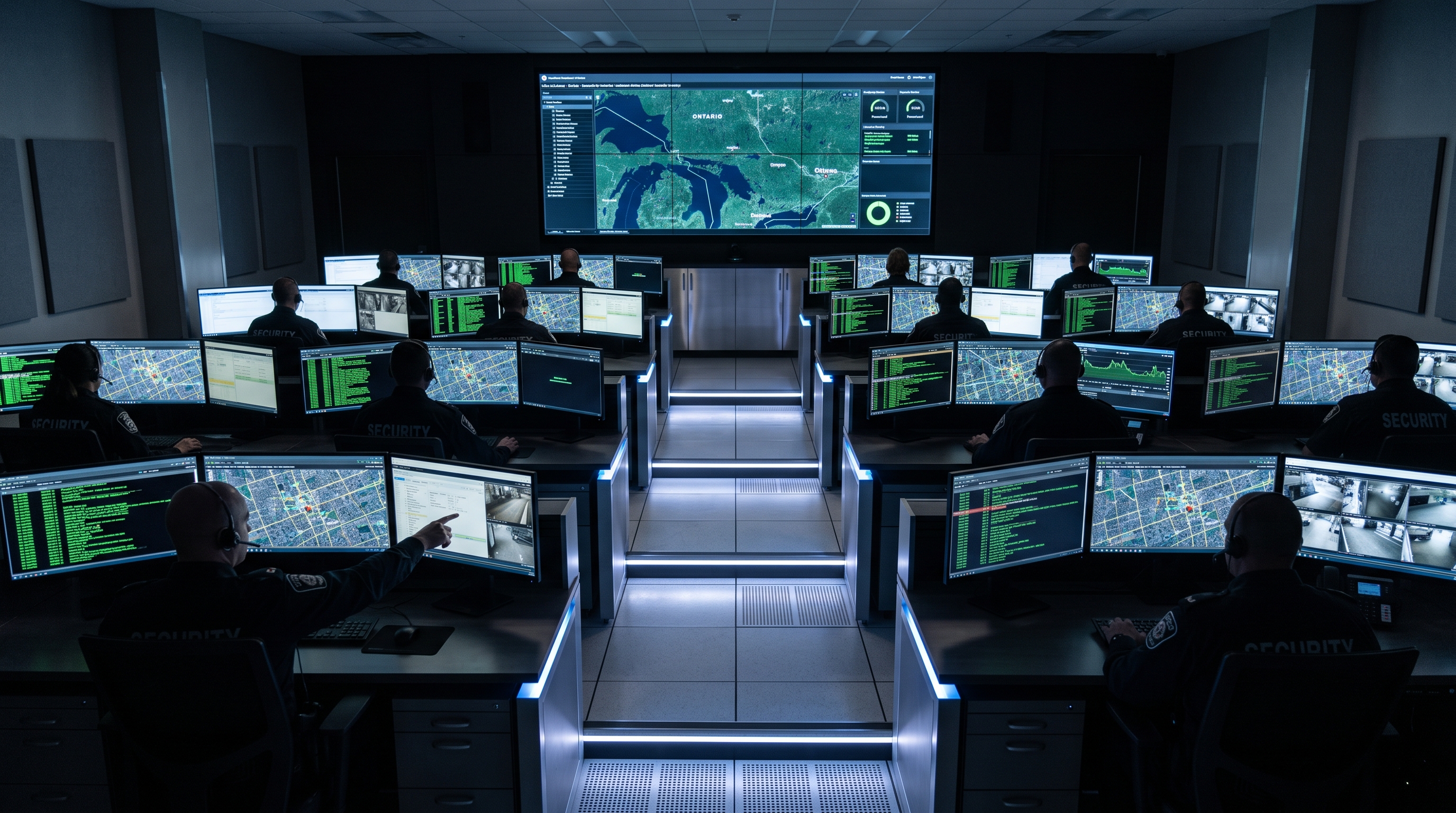
To establish a resilient defense, the hardware must be actively monitored. We connect the intrusion panels directly to a ULC-listed Central Monitoring Station.

Immediate Dispatch:

When a sensor is tripped, the central station receives the exact zone data within milliseconds. Operators immediately initiate the verified call-list protocols and dispatch local authorities, ensuring a response even if the building is entirely vacant.

ULC Central Monitoring Station
Infrastructure Redundancy

Defeating the Cut Wire.

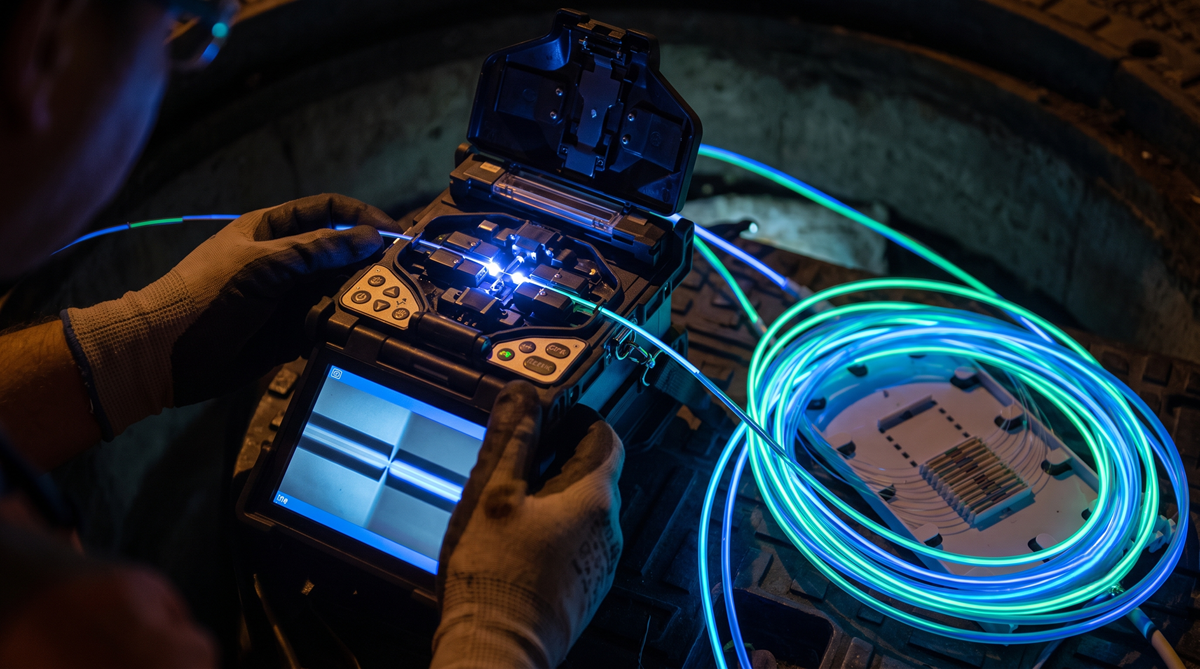
Historically, alarm systems relied on traditional copper telephone lines to contact the monitoring station. If an intruder cut the phone line outside the building before forcing entry, the system was rendered completely blind.

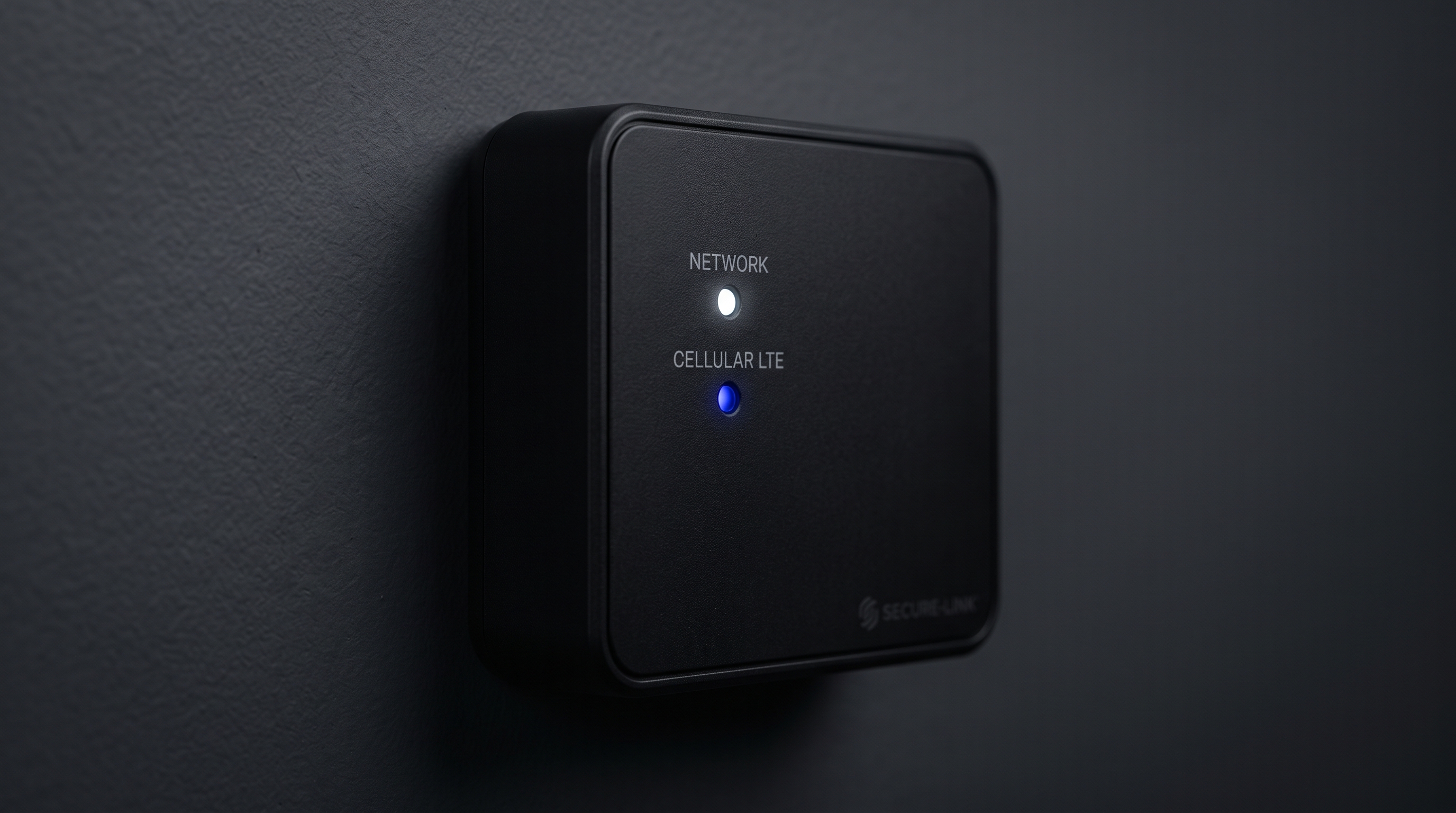
  • Dual-Path Technology: We deploy communicators that utilize multiple pathways. The primary signal travels securely over the high-speed IT network. If the internet connection drops or is tampered with, the system seamlessly fails over to an encrypted, dedicated LTE cellular connection.
  • Anti-Jamming Capabilities: Modern cellular communicators are equipped with advanced RF (Radio Frequency) anti-jamming algorithms, preventing sophisticated attempts to block the wireless transmission.
  • Continuous Polling: The central station continuously "pings" the panel every few minutes. If communication is lost entirely, the station registers a drop-off alert and initiates emergency protocols immediately.
Dual-Path Cellular Alarm Communicator
Beyond Intrusion

Environmental Protection.

Intruders are not the only threat to commercial operations. A burst pipe in a server room or a failed HVAC unit in a temperature-controlled warehouse can cause catastrophic financial losses before the next business day begins.

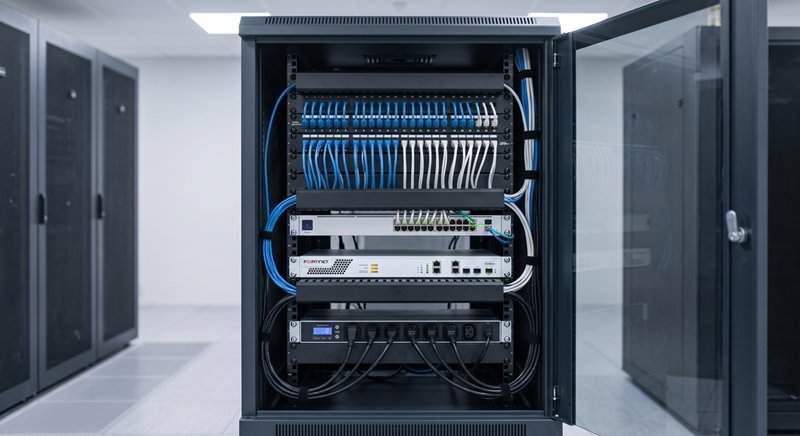
  • IT Infrastructure Safety: We deploy precise water-detection sensors beneath raised server room floors and temperature probes near critical network racks. If the AC fails on a weekend, the monitoring station will dispatch the designated IT contacts before the hardware overheats.
  • Cold Storage & Logistics: For food distribution or pharmaceutical facilities, integrating refrigeration temperature thresholds directly into the alarm panel ensures immediate alerts if a freezer drops below compliance levels.
  • Life Safety Integration: Commercial fire, smoke, and carbon monoxide detectors are hardwired into the central panel to ensure complete, code-compliant facility protection.
Server Room Environmental Monitoring Sensors
System Unification

Partitions & Door Integration.

A mature security posture requires separate hardware ecosystems to work collaboratively, minimizing the chance of human error during opening and closing procedures.

  • Access Control Sync: Rather than relying on staff to memorize keypad codes, the alarm panel can be integrated directly with the access control network. When an authorized manager scans their secure mobile credential to unlock the front door, the building alarm is simultaneously disarmed in a single, frictionless action.
  • Logical Partitions: Large facilities are rarely armed all at once. We engineer logical partitions (zoning), allowing the warehouse to be fully armed and secured while the front office remains disarmed for administrative staff working late.
Integrated Alarm and Access Control Panel

Monitored Alarm FAQs

Objective answers to intrusion detection and monitoring operations.

ULC (Underwriters Laboratories of Canada) sets the absolute highest standards for security and fire monitoring. A ULC-listed station undergoes rigorous, ongoing audits to prove they possess redundant physical servers, backup diesel generators, secure biometric facility access, and specific operator response times. It guarantees the monitoring is handled in a highly secure, fail-proof environment, not a vulnerable back office.

Yes. The integrated communicators connect to a secure cloud platform, allowing authorized management teams to arm or disarm the partitions remotely via a mobile app, view real-time sensor status, and receive push notifications for arming/disarming events without needing to be physically in the building.

False alarms are heavily penalized by municipal authorities. We engineer the system to utilize "Cross-Zoning" (requiring two separate sensors to trip before initiating a full police dispatch) and implement strict call-verification protocols. When an alarm triggers, the ULC station calls the designated emergency contacts to verify the threat before dispatching the authorities.

No. Commercial control panels contain heavy-duty sealed lead-acid backup batteries designed to keep the entire sensor network and cellular communicator running smoothly for hours during a complete grid blackout. The central station is also immediately notified the moment the main AC power is lost.

While hardwired copper connections are always the preferred standard for new construction, modern commercial-grade wireless sensors (like PowerG technology) are exceptionally reliable. They utilize encrypted, frequency-hopping spread spectrum communication, making them virtually impossible to jam or intercept, and boast multi-year battery lifespans ideal for retrofitting older buildings.

Ensure Continuous Oversight.

Reach out to discuss engineering a monitored, dual-path alarm infrastructure for the facility.

Request a Security Audit