Strategic Independence

Vendor Agnostic Engineering.

The technology industry is frequently plagued by proprietary ecosystems designed to lock organizations into a single vendor. When hardware and software are artificially restricted, it severely limits future operational flexibility and drives up long-term maintenance costs.

We operate on a philosophy of strict hardware independence and open architecture. By engineering systems based on universal global standards, we ensure the infrastructure remains agile and protected from vendor obsolescence.

The Integration Standard:

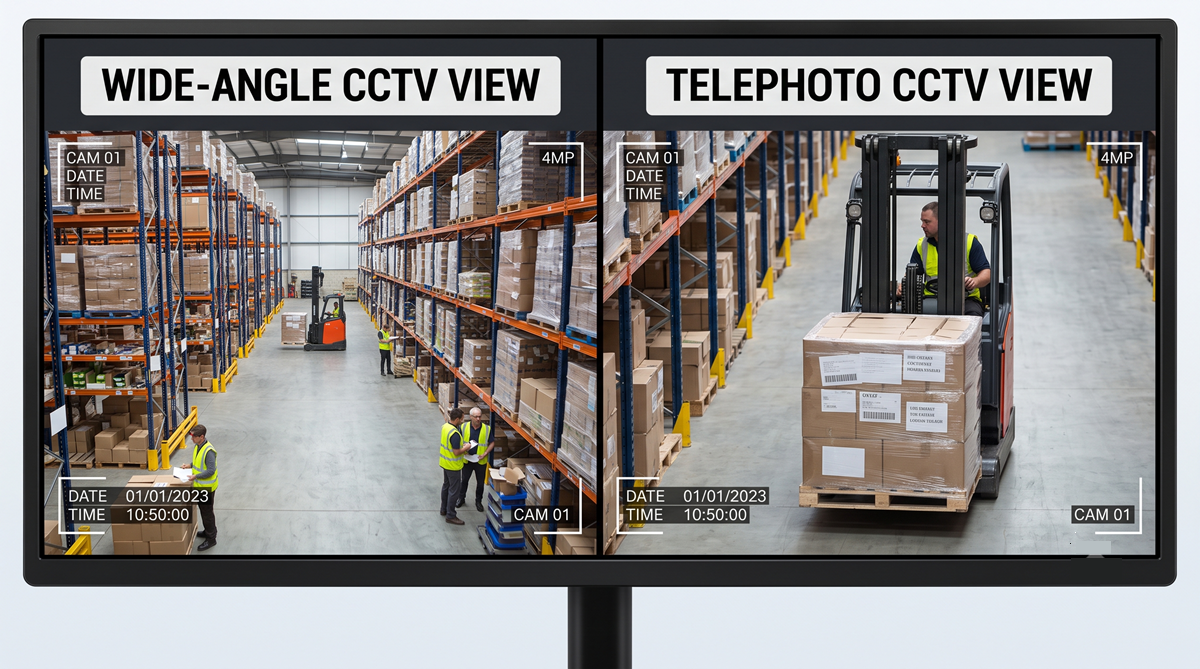
Whether deploying surveillance cameras utilizing the ONVIF protocol or door readers utilizing OSDP, we ensure the physical hardware can seamlessly migrate to different software management platforms as the facility's needs evolve.

Open Architecture Technology Integration

Our Core Ecosystems

We hold strategic certifications across a meticulously vetted selection of industry-leading manufacturers.

IT & Networking

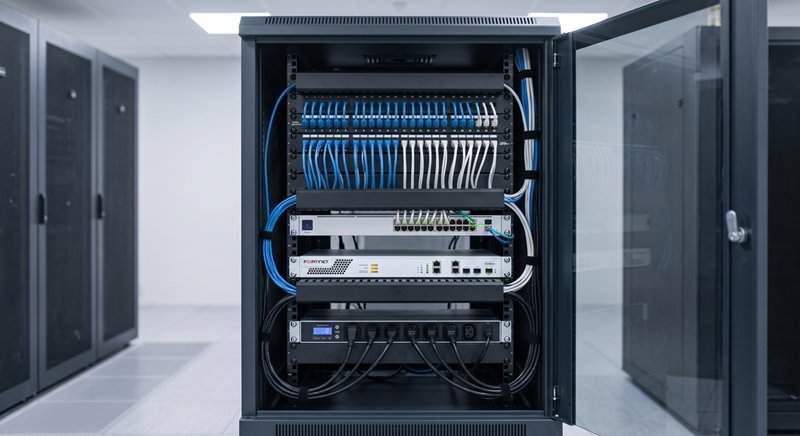
The backbone of modern data transit. We deploy routing, switching, and wireless hardware engineered for high-density packet processing and strict VLAN segmentation.

  • Fortinet (Next-Gen Firewalls)
  • Cisco & Cisco Meraki
  • Ubiquiti Enterprise / UniFi
  • Datto & Veeam (Immutable Backups)

Physical Security

Total perimeter defense. We partner exclusively with manufacturers producing NDAA-compliant imaging sensors, cloud-native access control, and ULC-monitored intrusion panels.

  • Axis Communications
  • Hanwha Vision (NDAA CCTV)
  • Milestone & Genetec (VMS)
  • DSC & Alarm.com

Commercial AV

Acoustic and visual engineering. We rely on global display manufacturers and DSP audio processing leaders to outfit boardrooms, retail environments, and transit hubs.

  • LG & Samsung (Commercial Displays)
  • Shure (Acoustic Processing)
  • Logitech & Poly (Conferencing)
  • AtlasIED (Distributed Audio)

Cloud & Telecom

Decentralized compute and communication. We manage cloud tenancies and SIP-based voice networks to ensure mobile workforces remain connected and data remains secure.

  • Microsoft (365 & Azure)
  • Google Workspace
  • 3CX (Unified Communications)
  • Yealink (SIP Hardware)
Regulatory Standards

Compliance & Certification.

Deploying hardware in government, medical, and enterprise facilities requires strict adherence to regulatory standards. We maintain deep knowledge of supply chain integrity and data sovereignty laws.

  • NDAA Compliance: The National Defense Authorization Act strictly prohibits the use of certain offshore telecommunications and surveillance equipment due to severe cybersecurity vulnerabilities. We exclusively specify NDAA-compliant cameras and network hardware to ensure corporate networks remain uncompromised.
  • ULC Monitoring Standards: For life safety and commercial intrusion, the hardware and the central station must meet the Underwriters Laboratories of Canada (ULC) standards for response times, redundancy, and physical security.
  • PCI & HIPAA Infrastructure: When architecting networks for retail point-of-sale or medical clinics, the switches, firewalls, and data storage solutions are configured to enforce strict Point-to-Point Encryption (P2PE) and data segregation.

NDAA Compliant

ULC Listed

PCI Ready

Partnership & Hardware FAQs

Objective answers regarding technology lifecycles and vendor integration.

Absolutely not. While we have deep expertise and strategic relationships with these specific manufacturers, our core philosophy is vendor agnosticism. We audit the facility's exact operational requirements first, and then specify the hardware that perfectly solves the engineering challenge—regardless of the logo on the chassis.

In most cases, yes. Provided the existing legacy hardware adheres to open standards (like ONVIF for cameras, SIP for telecom, or standard Wiegand wiring for access control), we can often adopt and manage the existing infrastructure. If the hardware is entirely proprietary or end-of-life, a phase-out replacement strategy is engineered.

Certain overseas manufacturers have been found to include hidden software backdoors in their cameras and networking equipment. These backdoors allow unencrypted data to be routed to foreign servers. The National Defense Authorization Act (NDAA) bans these specific brands. Deploying NDAA-compliant hardware ensures the corporate IT environment is insulated from state-sponsored espionage and malicious network infiltration.

Consumer hardware (like routers or TVs purchased at a local electronics store) is built for low cost and intermittent use. Enterprise hardware is engineered with heavy-duty internal processors, redundant power supplies, and advanced thermal management to run 24/7/365 without failure. Enterprise systems also support remote cloud management, allowing for silent, zero-downtime security updates.

Managing dozens of software subscriptions and renewal dates is a major administrative burden. Under a Managed Services agreement, we consolidate all third-party vendor licensing (from Microsoft 365 to cloud video storage and firewall threat-protection updates) into a single, predictable operational portfolio, ensuring no critical systems ever lapse due to a missed renewal email.

Architecting the Ecosystem.

Reach out to discuss hardware specifications, infrastructure auditing, and technology lifecycle management.

Request an Audit