The Technological Shift

Cloud-Based Commerce.

Legacy cash registers and early-generation, server-based POS systems tethered business data to a physical machine in a back office. If the hard drive failed, the daily transactional data and inventory counts vanished with it.

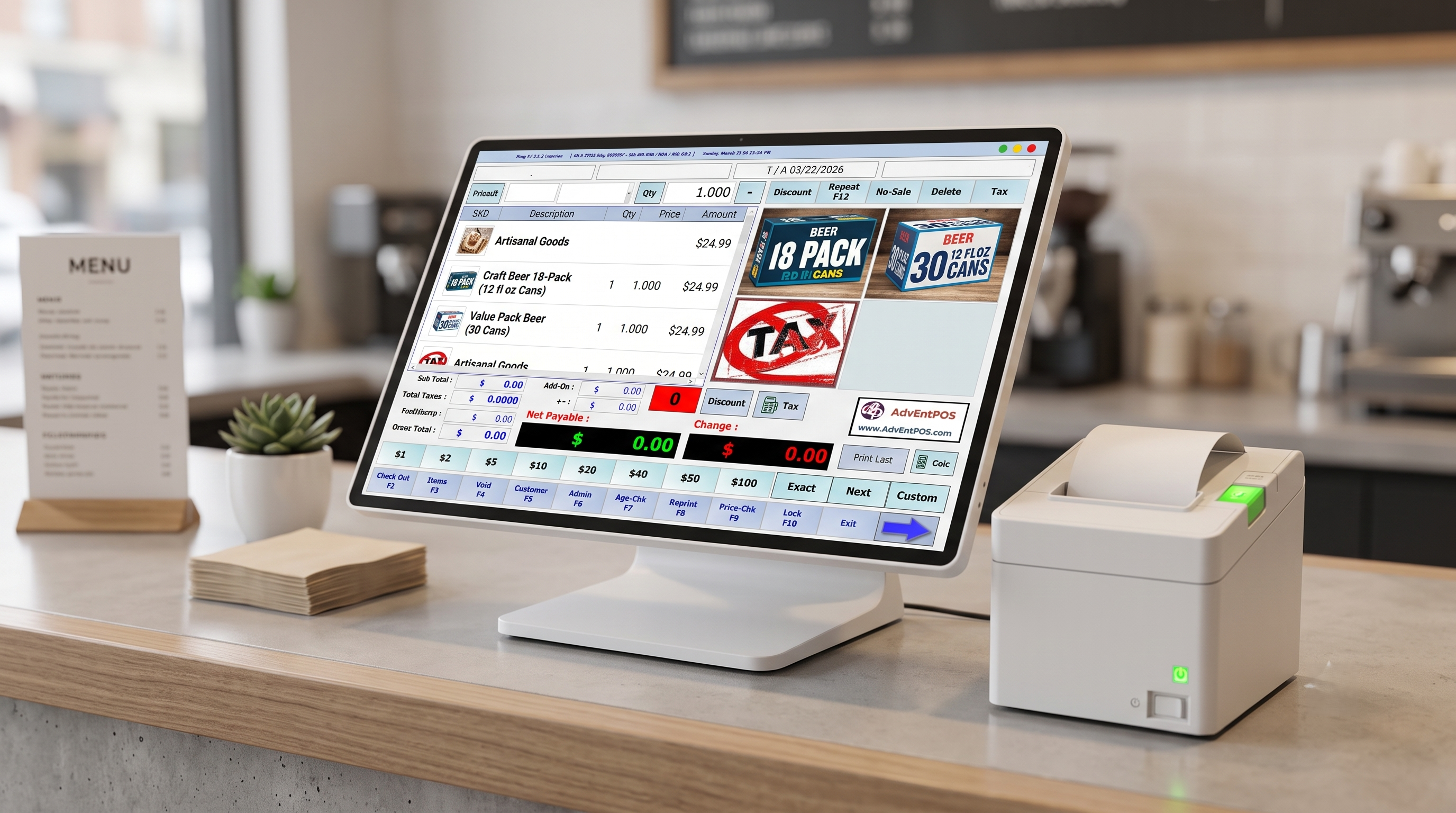
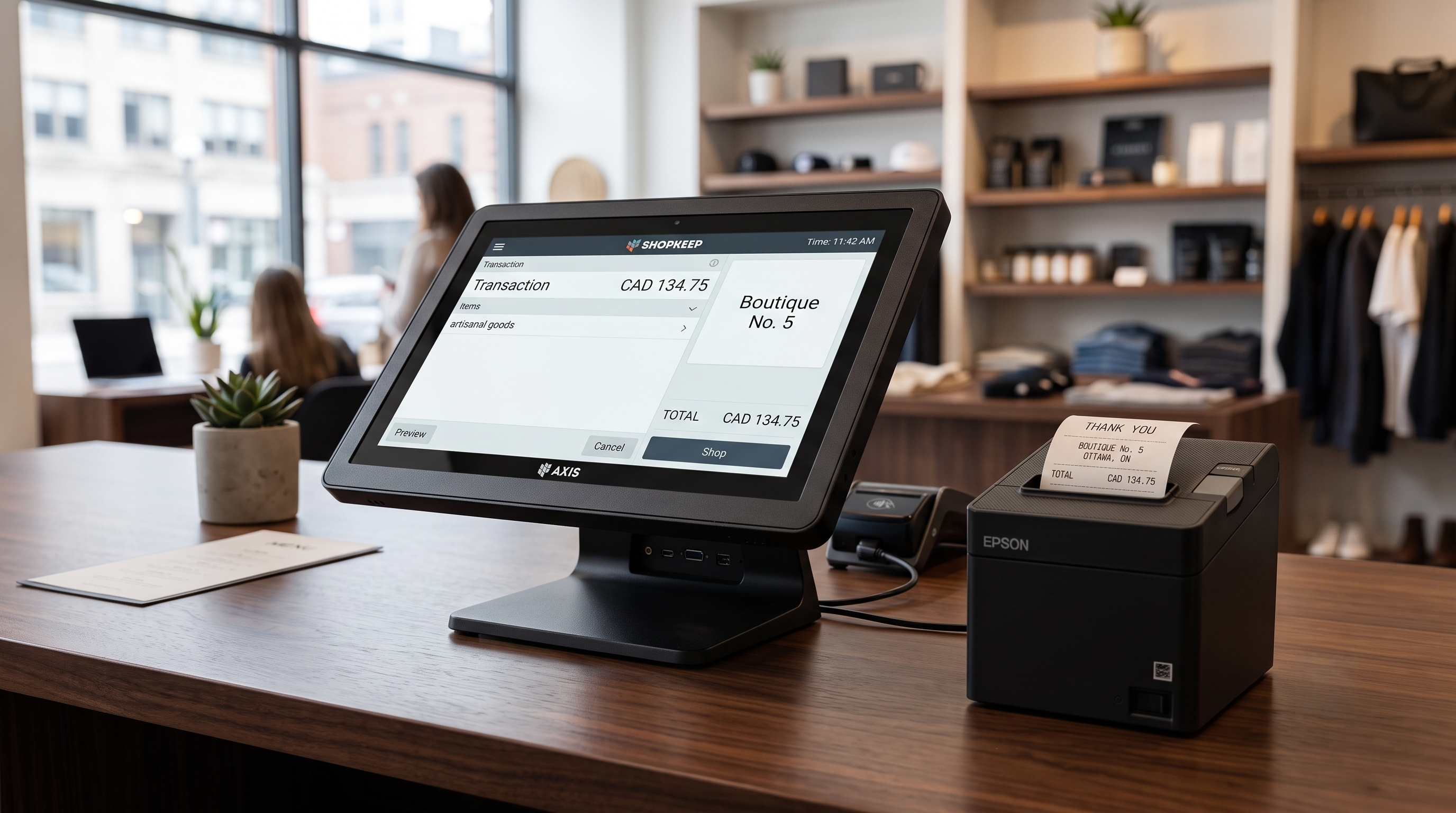
Modern commerce demands agility. We architect Cloud-Managed POS Environments. The software operates seamlessly at the front counter, while all transactional data, employee timeclocks, and sales analytics are encrypted and synced to secure cloud servers in real-time.

Remote Management:

Administrative teams can securely log into the web portal from any location to update pricing, adjust tax codes, or review live sales metrics across multiple store locations simultaneously, without ever interrupting the staff on the floor.

Modern Cloud POS Dashboard
Operational Visibility

Unified Inventory Control.

Whether an operation involves managing fast-moving retail inventory, complex food and beverage matrices, or tracking commercial equipment rentals, maintaining accurate stock counts is critical to profitability.

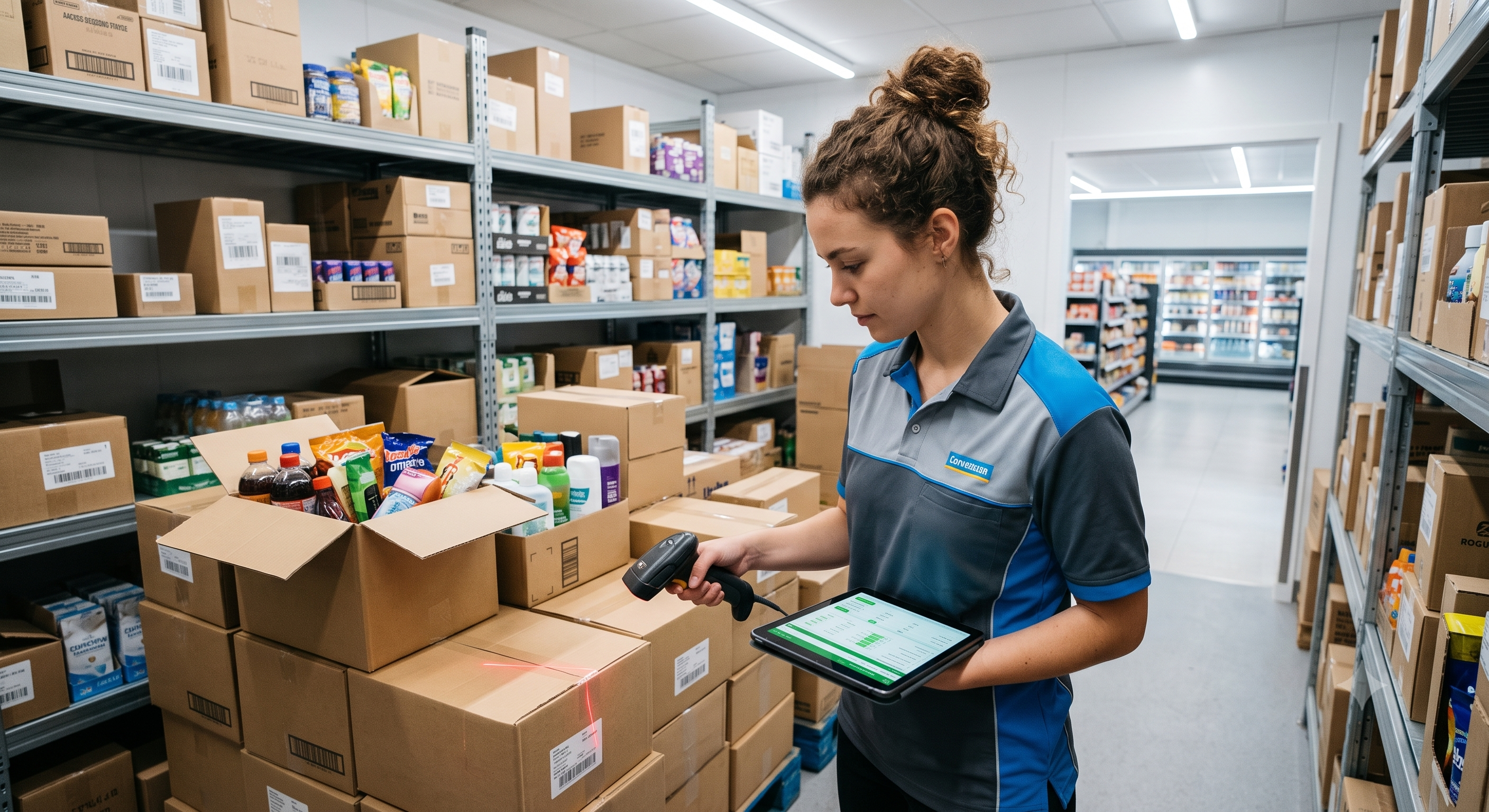
  • Automated Depletion: When an item is scanned at the checkout, the central database immediately deducts the unit. If stock falls below a predefined threshold, the system can automatically generate a purchase order for management approval.
  • Omnichannel Syncing: For businesses that operate both a physical storefront and an e-commerce website, we deploy POS platforms that share a single inventory database. Selling the last item in-store instantly removes it from the online catalog, preventing overselling.
  • Equipment Tracking: The software can be configured to manage serialized inventory, allowing staff to track who rented a specific piece of equipment, when it is due back, and automate late fees seamlessly.
POS Inventory and Rental Tracking System
Industrial Design

Commercial-Grade Durability.

Mounting a standard consumer tablet to a cash wrap is a temporary measure. Consumer devices are not engineered to withstand thousands of daily touches, exposure to liquid spills, or the static electricity generated in a dry commercial environment.

  • Spill and Dust Resistance: We deploy purpose-built POS terminals featuring IP54 or IP65 sealed touchscreens. These units are entirely fanless, preventing dust accumulation, and can survive direct liquid spills without short-circuiting.
  • Capacitive Glass: The displays utilize heavy-duty capacitive touch glass designed to register input accurately even when staff are wearing gloves or operating in fast-paced, high-impact scenarios.
  • Integrated Peripherals: We architect clean counter spaces by utilizing hardware with built-in thermal receipt printers, concealed cable management, and heavy-duty, cash-drawer integration to eliminate countertop clutter.
Commercial Grade POS Terminal Hardware
Financial Architecture

Payment Processing & Security.

Many "free" POS systems are Trojan horses; they lock the business into using their proprietary payment processing, charging exorbitant transaction fees that slowly drain profitability over time.

  • Processor Agnosticism: We advocate for open-platform POS systems that allow integration with independent merchant services. This ensures the freedom to shop for the lowest processing rates without having to replace the entire software and hardware ecosystem.
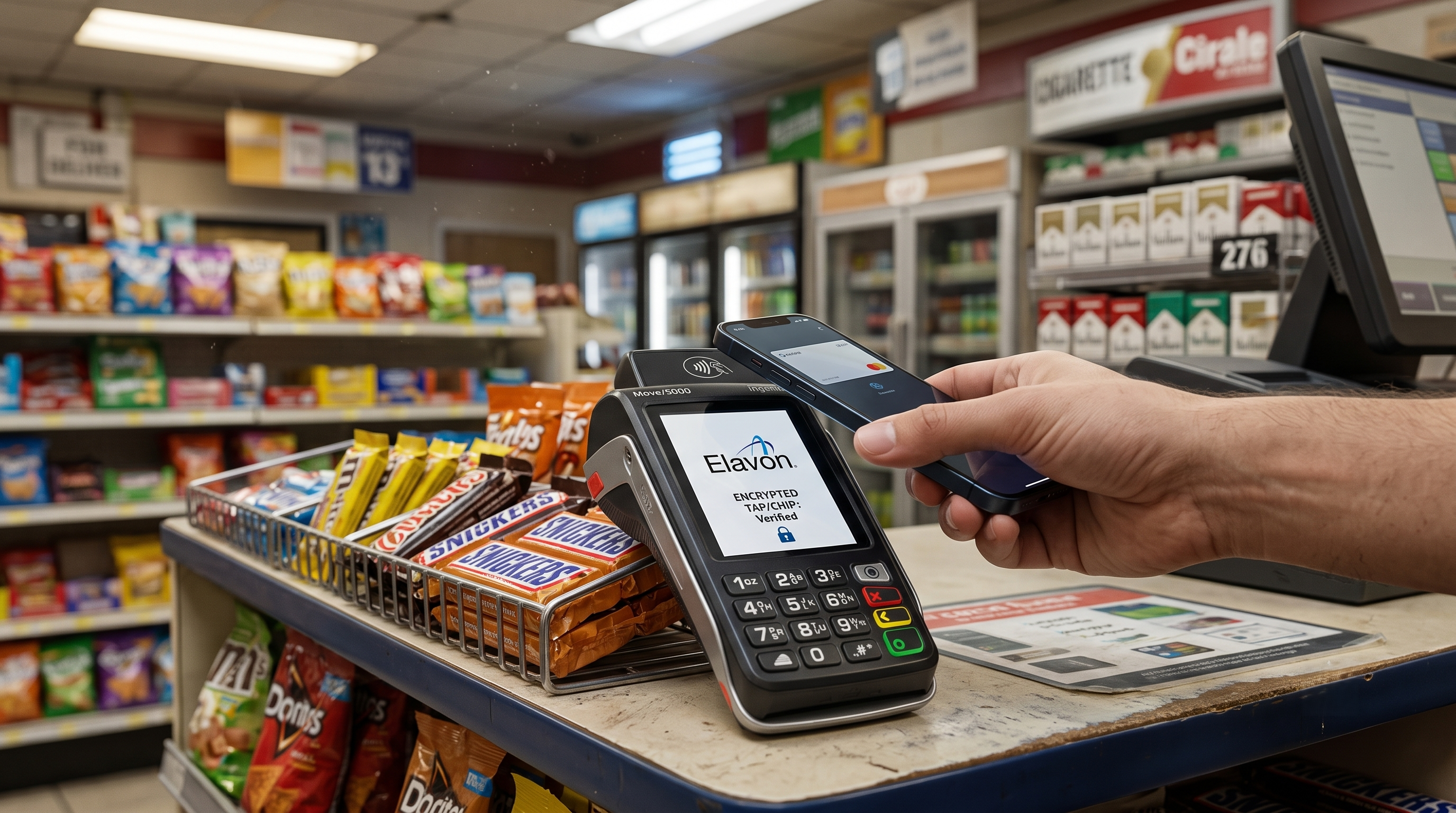
  • PCI Compliance & Security: We deploy Point-to-Point Encryption (P2PE) card terminals. When a credit card is tapped or inserted, the data is encrypted inside the terminal itself before it ever touches the POS software or the local IT network, strictly ensuring PCI compliance and insulating the business from liability during a cyber event.
Encrypted POS Payment Terminal

POS Infrastructure FAQs

Objective answers to commercial transaction processing and hardware deployments.

A professionally engineered POS system features "Offline Mode." The local terminal will continue to operate, allowing staff to ring up items, calculate taxes, and open the cash drawer seamlessly. Once the internet connection is restored, the terminal automatically synchronizes all the offline transactions back to the cloud database.

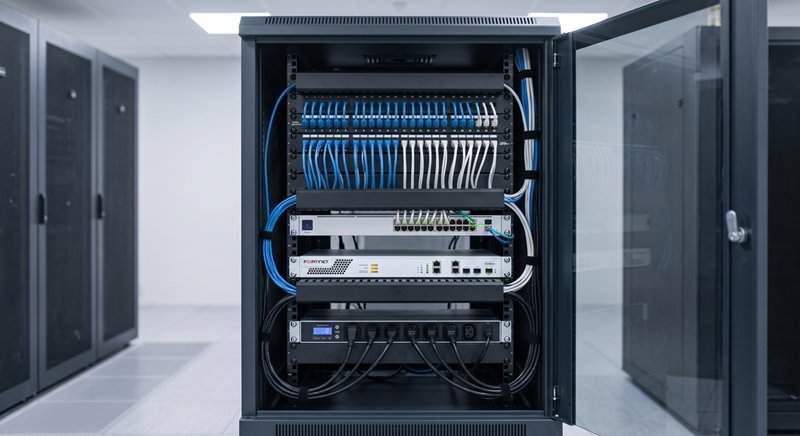
Absolutely not. Payment Card Industry (PCI) compliance mandates that payment terminals and transaction hardware be isolated from public internet traffic. We deploy dedicated VLANs (Virtual Local Area Networks) within the IT infrastructure to segregate the POS data entirely, ensuring a guest's infected mobile phone cannot access the transactional network.

Thermal printers use heat to transfer images onto special paper. They are completely silent, extremely fast, and require no ink ribbons, making them the standard for front-counter receipts. However, in hot environments like a commercial kitchen, the ambient heat can turn thermal paper completely black. In those specific zones, we deploy traditional impact (dot-matrix) printers.

While some cloud software runs via iOS applications, utilizing consumer iPads is often a false economy. They lack hardwired Ethernet ports (relying entirely on unstable Wi-Fi), have fragile charging ports that break under constant use, and lack spill resistance. Upgrading to purpose-built Android or Windows-based commercial touch terminals prevents costly downtime.

Advanced POS platforms utilize strict permission tiers. Actions like issuing refunds, voiding tickets, or opening the cash drawer without a sale require a manager's secure PIN or RFID swipe. Furthermore, the software logs every single keystroke, allowing management to run "Exception Reports" to flag anomalous behavior, which can then be cross-referenced with timestamps on the integrated CCTV system.

Modernize the Point of Sale.

Reach out to discuss architecting a secure, cloud-managed commerce ecosystem for the facility.

Request a POS Consultation