Our Solutions
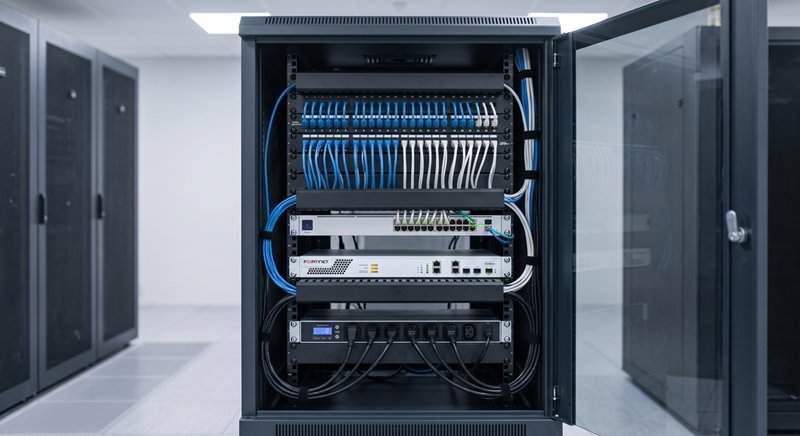
Enterprise IT Enterprise IT
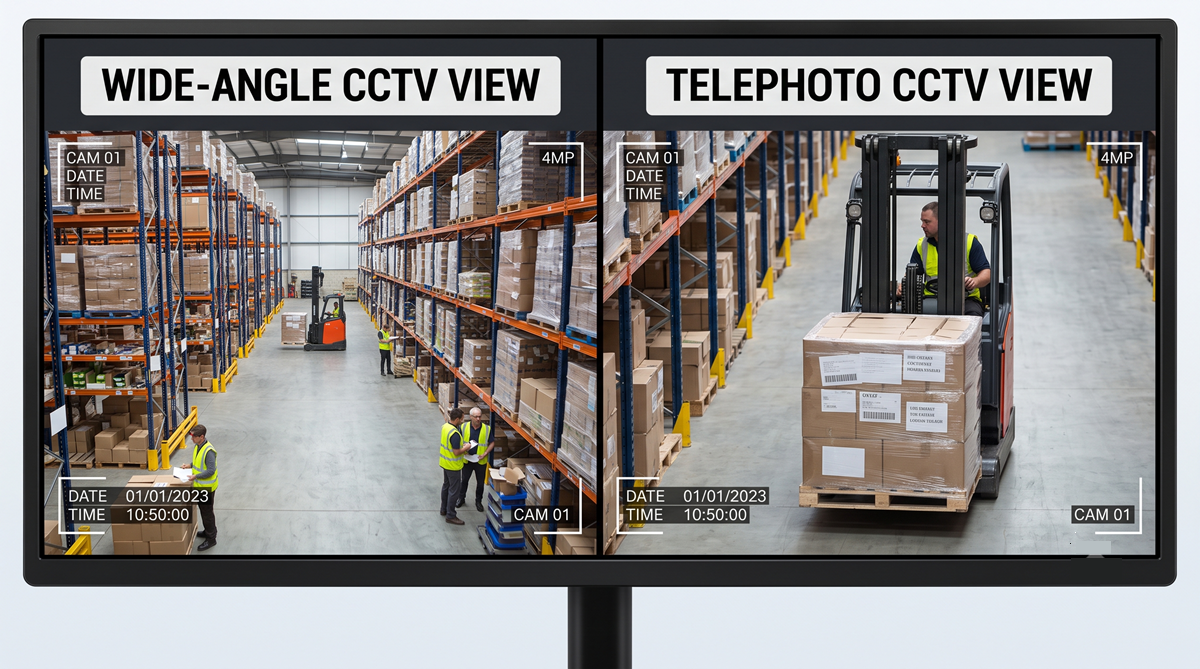
Physical Security Physical Security
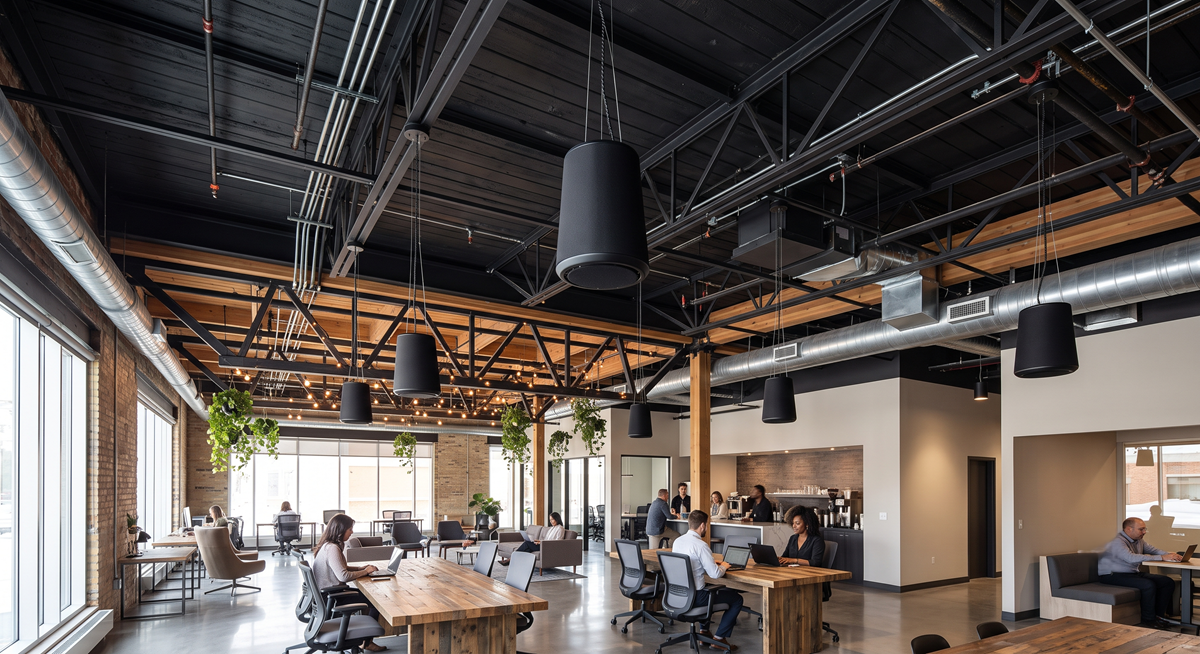
Infrastructure & AV Infrastructure & AV
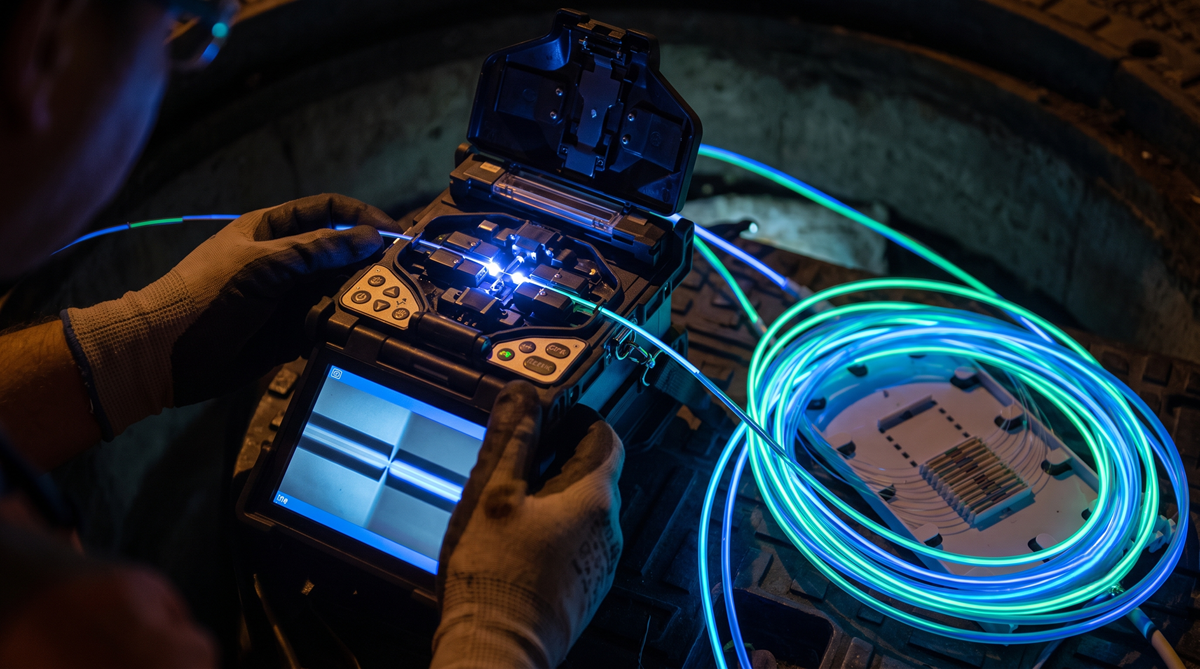
Enterprise IT
FIBER OPTIC BACKBONE | MULTI-GIGABIT THROUGHPUT
*High-capacity routing architecture designed for flawless operations.
Physical Security
NDAA COMPLIANT SENSORS | ULC MONITORED ALARMS
*Zero-trust architecture protecting physical perimeters.
Infrastructure
ULTRA-NARROW BEZELS | 70V DISTRIBUTED AUDIO
*Architectural media deployments for corporate environments.
New Business Setup Partners
Physical Security

Unified Commercial
Security.

True physical defense is a collaborative effort. We engineer integrated security ecosystems where surveillance, access control, and intrusion alarms communicate seamlessly to protect our corporate environments.

The Architecture

Why Integration Matters.

Historically, commercial buildings operated security in silos: the alarm system was installed by one vendor, the cameras by another, and the door locks by a third. Because these systems could not communicate, investigating a simple security event required logging into three different platforms and manually piecing timelines together.

We approach physical security holistically. By integrating these platforms onto a single unified IT backbone, the technology begins to work collaboratively.

The Integrated Advantage

If a forced entry occurs at a side door, the access control system instantly triggers the building alarm, while simultaneously instructing the nearest PTZ (Pan-Tilt-Zoom) camera to physically turn and record the event, pushing a live video alert directly to the management team.

Unified Security System Integration Diagram

Comprehensive Ecosystem

End-to-End Security Suite.

We deploy an end-to-end security suite designed for absolute reliability and zero proprietary lock-in.

Video Surveillance

AI-POWERED CAMERAS

AI-powered IP cameras with edge analytics, license plate recognition, and NDAA-compliant hardware for secure video auditing.

Explore CCTV

Access Control

OPEN-ARCHITECTURE DOORS

Open-architecture door entry systems utilizing encrypted mobile credentials, biometric readers, and cloud-based revocation.

Explore Access

Monitored Alarms

ULC-LISTED MONITORING

Commercial intrusion detection featuring dual-path cellular communicators and 24/7 ULC-listed central station monitoring.

Explore Alarms

Commercial Intercoms

VOIP-ENABLED ENTRY

VoIP-enabled multi-tenant video intercoms allowing seamless guest verification directly from mobile applications.

Explore Intercoms

Mobile Surveillance

RAPID-DEPLOYMENT

Solar-powered, rapid-deployment camera trailers engineered for active construction sites, remote lots, and temporary events.

Explore Trailers
Open Architecture Hardware Standards

Our Philosophy

Total Hardware Independence.

The physical security industry is notorious for trapping organizations with closed-loop systems. Many integrators install proprietary hardware that can only be serviced by their specific dealer network, severely limiting future operational choices.

We establish open-architecture environments. By deploying hardware built on universal standards (such as ONVIF for cameras and OSDP for card readers), we ensure the infrastructure remains flexible. This open-market approach guarantees that the hardware investment remains protected, independent of the software platform chosen to manage it.

Technical Insights

Unified Security FAQs.

A unified system means that video surveillance, access control, and intrusion alarms are managed through a single software interface, rather than operating independently. This allows the systems to trigger actions in one another—for instance, an unauthorized badge scan can automatically flag the corresponding security camera footage for immediate review.

In many cases, yes. If the existing cameras support ONVIF standards, or if the access control readers use standard Wiegand wiring, we can often replace the central servers and bring the existing hardware onto a modern, unified cloud platform without requiring a complete hardware replacement.

Modern security equipment (IP cameras, cloud access controllers) relies entirely on the corporate data network. Traditional security installers often lack the expertise to properly configure VLANs, manage PoE switch budgets, and secure firewalls. Integrating these devices without proper IT oversight can create severe bottlenecks and open critical cybersecurity vulnerabilities.

Cloud-based security is exceptionally safe provided it is architected correctly. By deploying NDAA-compliant hardware, requiring Multi-Factor Authentication (MFA) for all administrative logins, and utilizing encrypted outward-bound data tunnels (preventing the need to open vulnerable inbound firewall ports), cloud systems offer superior protection and redundancy compared to vulnerable on-premise servers.

Unify the Defensive Infrastructure.

Reach out to discuss integrating surveillance, access, and alarms into a single, cohesive ecosystem.

Request a Security Audit