Hardware Integrity

The Consumer Display Trap.

Deploying standard residential televisions in a commercial environment is a frequent and costly misstep. Consumer panels are engineered to operate for only a few hours daily in dimly lit living rooms. When forced to display static images (like a restaurant menu) for 16 hours a day, the liquid crystals quickly degrade, resulting in permanent "burn-in" and overheating.

Furthermore, installing a consumer television in a commercial environment immediately voids the manufacturer's warranty.

The Commercial Standard:

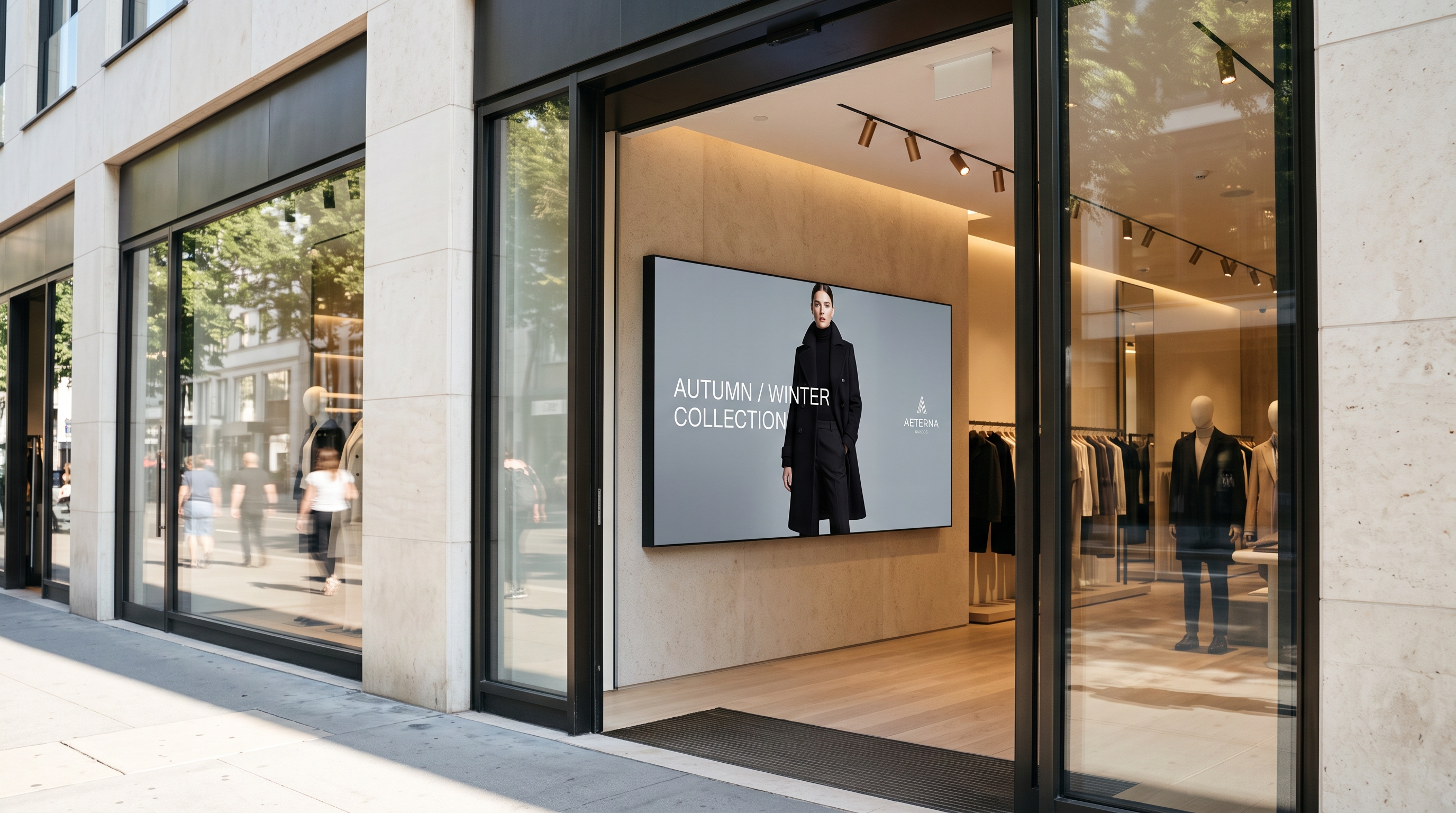
We exclusively deploy commercial-grade digital signage. These panels feature advanced internal cooling for 24/7 continuous operation, ultra-high brightness output to cut through ambient sunlight, and specialized anti-glare treatments to maintain visibility from extreme viewing angles.

Commercial Grade Digital Display Hardware
Software Architecture

Cloud Content Management.

Relying on a USB thumb drive plugged into the back of a television is not a scalable operational strategy. It requires physical intervention every time a price changes or a corporate announcement is updated.

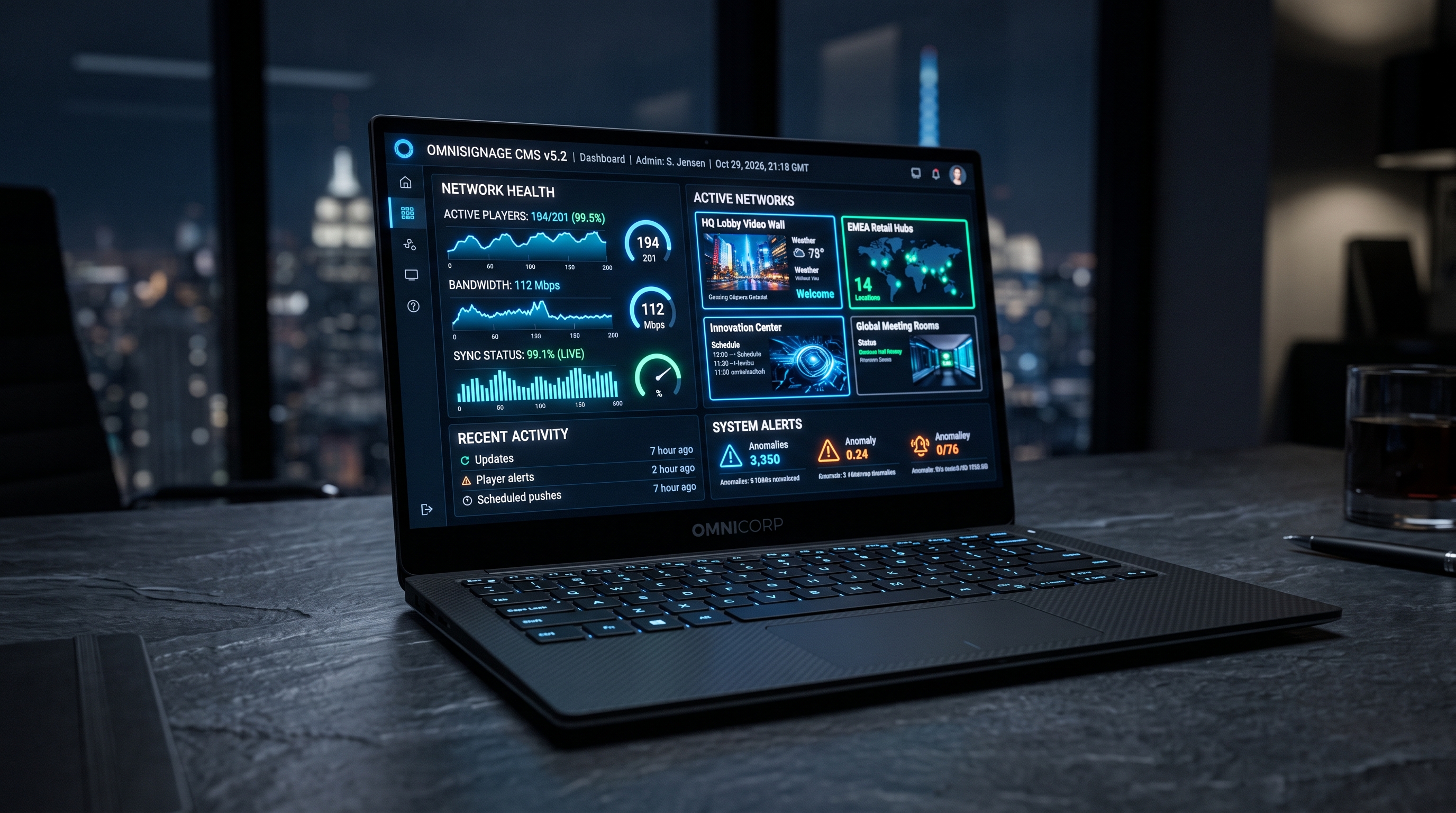
  • Centralized Control: We integrate displays with a cloud-based Content Management System (CMS). Marketing teams can log into a secure web portal from any location and instantly push new video content to a single screen in the lobby, or simultaneously update menu prices across fifty different retail locations.
  • Day-Parting & Scheduling: The CMS allows for automated scheduling. A digital menu board can automatically transition from a breakfast menu to a lunch menu at exactly 11:00 AM, requiring zero intervention from the staff on duty.
  • Network Health Monitoring: IT administrators receive real-time dashboard alerts confirming that all screens are online, actively playing the correct content, and operating at optimal temperatures.
Cloud Content Management System Dashboard
Immersive Environments

Architectural Video Walls.

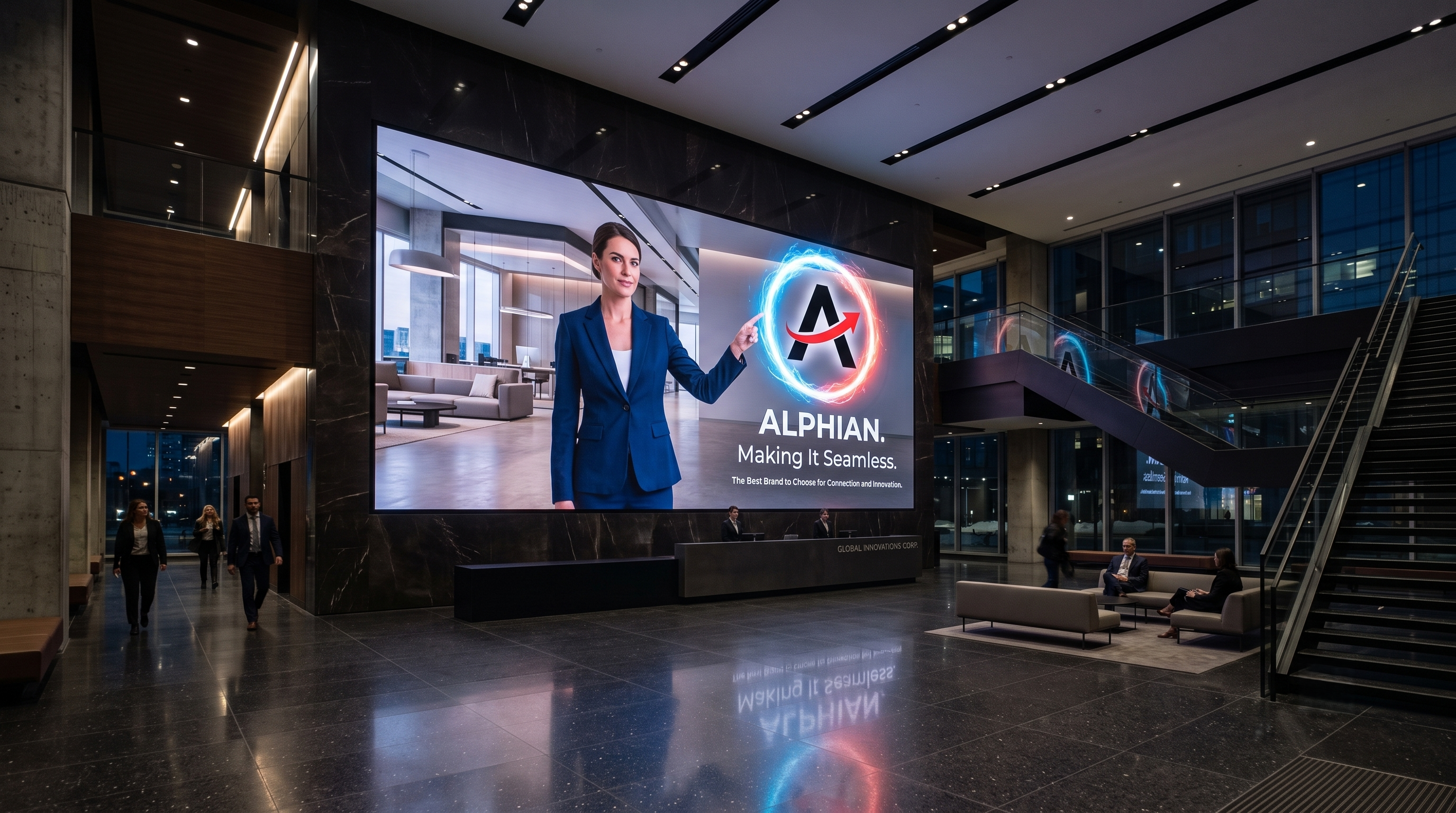
For environments demanding a massive visual impact—such as corporate lobbies, control rooms, or flagship retail stores—we engineer seamless multi-panel video walls. Building these structures requires precise structural and electrical engineering.

  • Ultra-Narrow Bezels: Standard televisions have thick plastic borders (bezels) that ruin the illusion of a single image. We deploy specialized video wall panels with ultra-narrow bezels (measuring less than 1mm), creating a near-seamless digital canvas.
  • Micro-Adjustment Mounting: Aligning multiple heavy displays perfectly flush requires specialized, articulating mount systems. These mounts allow our engineers to adjust the depth and pitch of each screen by fractions of a millimeter to ensure perfect geometric alignment.
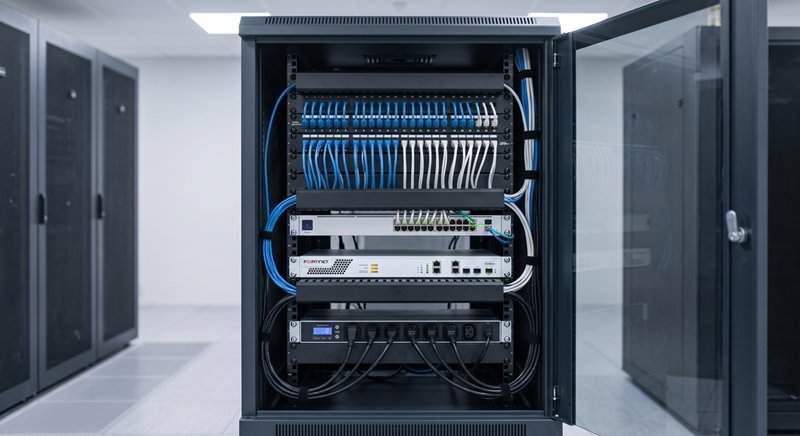
  • Content Synchronization: Through advanced video matrix processors or daisy-chained DisplayPort configurations, high-resolution 4K or 8K content is flawlessly synchronized across the entire array without lag or tearing between the panels.
Seamless Commercial Video Wall Display

Digital Signage FAQs

Objective answers to commercial display specifications and operations.

A Nit is a measurement of light output (brightness) from a display. A standard living room TV produces around 250 to 300 nits. In a brightly lit commercial setting or a window storefront, 300 nits will appear completely washed out. Commercial indoor signage typically requires 500 to 700 nits, while outdoor drive-thru displays or window-facing screens must produce 2,500 to 4,000 nits to compete directly with the sun.

Not always. Many modern commercial displays feature SOC (System on Chip) technology. This means the media player and operating system are built directly into the display's hardware. The screen connects directly to the network and runs the CMS software natively, eliminating the need to mount and power an external media player box behind the screen.

Static images (like a permanent coffee menu) cause liquid crystals in standard TVs to hold a charge for too long, permanently burning the image into the screen. Commercial displays utilize robust IPS panels and implement "Pixel Shifting"—a technology that imperceptibly shifts the entire image by a few pixels every few minutes to ensure no single pixel holds a static color indefinitely.

Yes. Unlike consumer TVs, whose internal cooling vents are designed strictly for horizontal (Landscape) use, commercial displays feature symmetric internal thermal management. They can be safely mounted in portrait orientation for digital posters or menu boards without the risk of the internal components overheating due to trapped air.

Outdoor deployments require specialized architectural enclosures. These enclosures feature IP56 or IP65 weather sealing against rain and snow, internal HVAC heating and cooling systems to prevent freezing or overheating, and ultra-high-brightness (3,000+ Nit) screens with polarized glass, allowing customers wearing sunglasses to read the menu without the screen appearing completely black.

Optimize Visual Communication.

Reach out to discuss engineering a reliable, cloud-managed digital signage infrastructure.

Request a Consultation